SonoPhile


study included ten children treated surgically between 2013 and 2018 at the Pediatric Surgery Department, University of Monastir. Abdominal pain was the primary symptom, with diagnosis confirmed through ultrasound, CT, and positive serological tests. Surgical management, including laparoscopic approaches in four cases, followed by three months of albendazole therapy, resulted in successful outcomes with no reported recurrences during follow-up.
Peritoneal Hydatid Cysts in Children: A Case Series of Rare Echinococcosis Localization
-
Clinical Presentation: Abdominal pain (all patients), abdominal distension (2 patients), fever (3 patients), palpable abdominal mass (2 patients), vomiting (1 patient)
-
Diagnostic Findings: Positive hydatid serological tests in all cases
-
Imaging: Abdominal ultrasonography and CT revealed cystic masses (5-14 cm) in peritoneal cavity; four in pelvic peritoneum, six in mesentery adherent to serosa of small gut and colon
-
Associated Findings: One cyst adherent to right ovary; two cases with uncomplicated hepatic hydatid cysts in segments II and IV
-
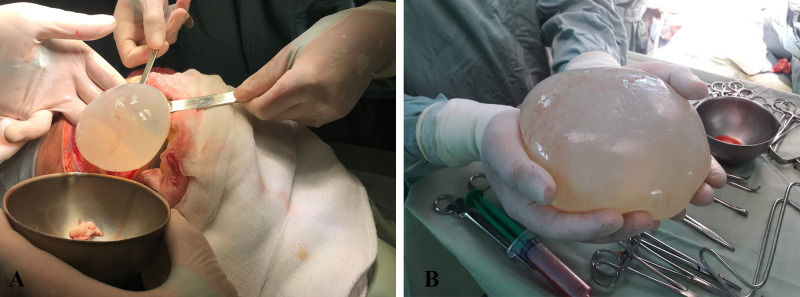
Surgical Management: All patients underwent surgery; four via laparoscopy with cyst excision and omental rim removal; laparoscopic patients underwent cyst puncture, aspiration, and evacuation
-
Postoperative Care: Discharged after 3-7 days with albendazole treatment (10 mg/kg/day for 3 months)
-
Follow-up: Mean follow-up 13 months (range: 3-34 months); no recurrence observed on abdominal ultrasonography; abdominal and pelvic cavities free from cysts

-
Peritoneal Hydatid Cyst Overview:
-
Rare manifestation of echinococcosis in children, often presenting with vague abdominal pain.
-
Delayed diagnosis can lead to serious complications like peritonitis and anaphylactic shock.
-
-
Epidemiology and Pathogenesis:
-
Accounts for 10% of intra-abdominal hydatid cyst cases, typically secondary to hepatic cyst rupture or spillage during surgery.
-
Primary peritoneal cysts are uncommon, with unclear mechanisms of infection.
-
-
Diagnostic Tools:
-
Hydatid serological tests, particularly ELISA, confirm diagnosis with high sensitivity (95%-97%).
-
Abdominal ultrasound and computed tomography (CT) are essential for localization and characterization of cysts, with high sensitivity (90%-100%).
-
Conclusion:
-
Multidisciplinary management involving pediatric surgeons and parasitologists is crucial for effective treatment and follow-up of peritoneal hydatid cysts in children.

Credit to: Kechiche, N., Makhlouf, D., Lamiri, R., Zouaoui, A., Sahnoun, L., Mekki, M., Belguith, M., & Nouri, A. (2021). Peritoneal Hydatid Cysts in Children: A Case Series of Rare Echinococcosis Localization. Iranian journal of medical sciences, 46(1), 68–72. https://doi.org/10.30476/ijms.2020.82004.0